

Property tax bills went up 4.2% this year. Many homeowners are filing protests. But choosing between doing it yourself or using a research service confuses most people. Diy Property Tax Appeal vs Research Report breaks down both options so you can decide what works for you.
You can file county property tax exemption forms on your own for free. A research service provides certified data that takes time to find yourself. We’ll show you what DIY filing involves, what a research service adds, and how to use research reports when you file your own protest.
You’ll see cost breakdowns, time comparisons, and when each approach makes sense. We’ll explain what research reports include, how to use them in your filing, and when you can skip them. By the end, you’ll know which path fits your situation and how to move forward.
DIY Property Tax Appeal vs Research Report: What DIY Filing Looks Like
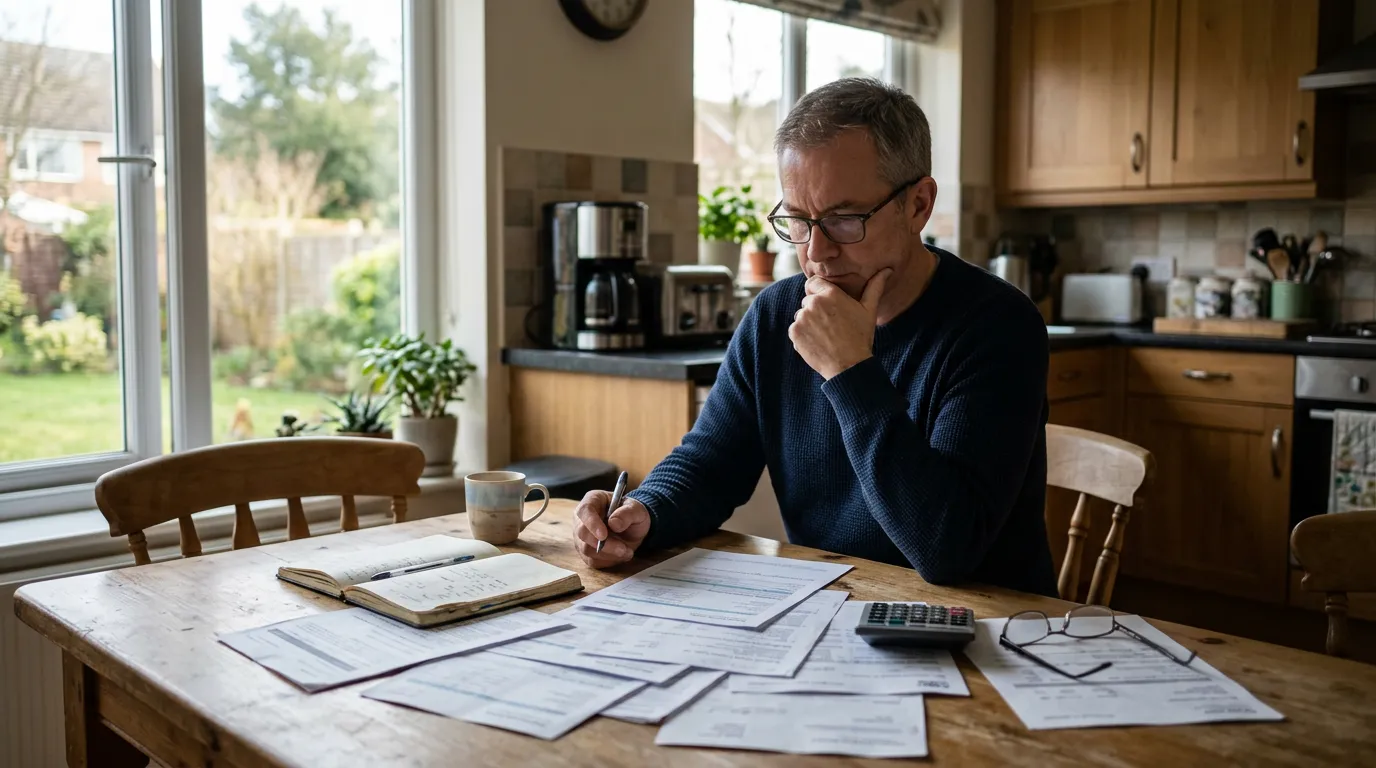
Every county provides free property tax protest forms on their assessor or appraisal district website. You don’t need a service to access them. Most counties accept online filing, mail submission, or in-person delivery during business hours. Filing deadlines typically fall 30-90 days after assessment notices. Deadlines vary by jurisdiction, so check your county’s specific calendar.
According to Texas Law Help, homeowners must gather all evidence and documentation independently when filing appeals. This includes researching comparable properties, collecting sales data, and photographing property conditions. You compile everything yourself without professional guidance.
Free County Forms and Filing Procedures
County websites offer downloadable protest forms at no cost. The forms ask for basic property details, your proposed value, and reasons for appeal. You fill them out and submit them before the deadline. Some counties require notarization, while others accept electronic signatures.
After filing, you’ll receive a hearing date. Most counties offer informal reviews first. If that fails, you move to formal hearings. You present your case to review boards or hearing officers. They decide whether to adjust your assessment.
Evidence You Must Gather Yourself
DIY filers must research comparable properties in their area. You need recent sales data for similar homes. Look for properties with matching square footage, age, and condition. Pull records from county databases or real estate websites.
You also document property defects or issues. Take photos of foundation cracks, roof damage, or outdated systems. Gather repair estimates if available. This evidence supports your claim for a lower value.
-
Sales data from 3-5 comparable properties sold within the past year
-
Photos documenting property condition and any defects
-
Square footage calculations and property classification details
-
Market analysis showing neighborhood trends
Time Investment and Learning Curve
First-time filers typically spend 15-40 hours on the entire process, which includes researching comparables, understanding assessment methodology, completing forms, preparing evidence, and practicing their presentation.
The learning curve is steep for beginners. You must understand property classification systems and square footage calculations. Comparable selection criteria can be tricky, and many filers struggle to identify what counts as a valid comparable.
Success depends on three factors: evidence quality, understanding local assessment practices, and presentation clarity. Weak evidence or poor presentation often leads to denied appeals.
What a Research Report Adds
A property tax research service gives you data you can’t easily find on your own. These reports pull certified assessment records from county databases. They organize that information into a format you can use to build your case.
House Maxxing provides a report of comparable assessments pulled from public county records. This isn’t private MLS data or proprietary valuations. You get the same numbers the appraisal district uses. That makes your protest more credible when you file.
Public Records Analysis and Comparable Selection
The report identifies properties similar to yours based on square footage, age, and location. It also shows assessment ratios from certified county data. These comparables help you prove your home is overvalued compared to similar properties.
You receive documentation of assessment patterns in your neighborhood. This uses publicly available tax records. The service doesn’t create new valuations. It restates the county’s certified assessment numbers. No independent appraisal or market value opinion is provided.
Comparable property analysis is one of the most effective methods for building a successful appeal. The data must come from official sources. That’s what makes it defensible at a hearing.
Form Numbers and Filing Guidance
The report identifies form numbers specific to your county’s appraisal district. It also points you to exemption applications and protest forms. You get deadline calendars published by your county. This saves you hours of searching government websites.
Form guidance tells you which property tax protest forms to use. It shows you where to submit them. You still need to fill them out yourself. The service doesn’t complete the paperwork for you.
What Research Services Do Not Include
The service does not file for you. It doesn’t appear at hearings. It won’t take an agent appointment on your behalf. You remain the filer and decision-maker throughout the protest process.
You’re responsible for submitting the forms and attending any required hearings. The report gives you the data and filing procedures. You handle the execution. That’s the trade-off when you choose a research service over full representation.
What We Do Not Do: No Agent, No Hearing Appearance

House Maxxing takes a different approach than traditional property tax firms. We don’t act as your agent or representative. You stay in full control of your property tax protest.
You Stay the Filer of Record
When you use our research service, you remain the official filer. The county sees you as the property owner handling your own appeal. All hearing notices come directly to you. All decisions arrive in your mailbox.
This means you own the process from start to finish. No third party speaks for you. No one else manages your case.
No Representation or Agent Appointment
We don’t take power of attorney over your property. We don’t file forms on your behalf. We don’t contact your county assessor’s office.
According to the Texas Comptroller’s property tax protest guidelines, property owners can file appeals themselves or appoint an agent. House Maxxing provides research tools, not agent services.
Here’s what we skip:
-
Appearing at appraisal review board hearings
-
Presenting evidence to county officials
-
Negotiating settlements with assessors
-
Submitting property tax protest forms to the county
-
Communicating with appraisal districts about your case
You get the research. You decide how to use it. You choose what evidence to include when you file your property tax appeal yourself.
How This Differs from Contingency Firms
Contingency firms become your legal representative. They take 25-35% of your first-year tax savings. They handle everything, but you pay a steep price.
Our model costs less because we don’t provide full representation. You receive a property tax comparable analysis and form guidance. Then you take action.
This structure works well for homeowners who want to save money. You can always hire separate representation later if your case gets complex. But most property tax filing procedures are straightforward enough to handle alone with good research.
Membership vs a One-Time Commodity Filing
Most property tax research services sell you a single report. You get your data, file your appeal, and that’s it. Next year, you start over from scratch.
This one-and-done approach costs you time and money every appeal cycle. You pay again for the same property tax comparable analysis. You relearn your county’s property tax filing procedures. You rebuild your case file each time.
Ongoing Access After Initial Research
The House Maxxing membership works differently. You don’t just buy a report. You get membership access that continues after your first filing.
This means you can log in anytime to review your property’s assessment history. You see how your home’s value compares to neighbors over multiple years. You track patterns that help predict future assessment changes.
According to the California assessment appeal guidelines, counties publish new certified rolls annually. Members get alerts when these updates happen. You don’t need to remember filing deadlines or check county websites manually.
Annual Monitoring and Updates
Your property tax situation changes every year. New sales happen in your neighborhood. Assessment methods shift. Exemption rules get updated.
Members receive ongoing monitoring of these changes. The system flags when new comparable sales appear in public records. It alerts you if you become eligible for exemptions you didn’t qualify for before.
One-time services can’t do this. They deliver a static report based on one moment in time. You miss opportunities that emerge months later.
How Membership Differs from Single-Year Services
The value gap grows wider each year. Single-year services charge you repeatedly for similar work. You pay for property tax research services that duplicate previous efforts.
Membership builds on itself. Your filing history stays accessible. You see which arguments worked in past appeals. You understand your property’s assessment pattern better with each cycle.
This compounding benefit matters because property tax appeals aren’t one-time events. They’re annual opportunities. A membership approach treats them that way.
How to Use the Report If You File

A property tax research service cost varies, but the real value shows when you file your own appeal. The report gives you data to build your case. You decide how to use it.
Incorporating Research into Your Protest Package
Start by pulling comparable assessments from the report. These go directly into your county’s evidence section. Include property addresses, assessed values, and assessment dates for each comparable.
Your documentation package needs clear organization. List each comparable property with its details. Add the form numbers from the report to access county property tax exemption forms or supplemental requirements.
The report also identifies which comparables work best for your situation. You can add your own research on top. Photos of your home’s condition strengthen your case. Additional comparables you find independently add depth.
Presenting Comparable Data to Review Boards
According to the Massachusetts tax appeal guide, presenting organized evidence at informal reviews or formal hearings improves your chances. Bring the comparable data in a clear format. Review boards want to see property addresses, values, and dates at a glance.
You control how to present the information. Some homeowners create simple spreadsheets. Others print property cards with photos. The report serves as your starting point, not your entire case.
At hearings, reference specific comparables when explaining your requested reduction. Point to assessment differences between your home and similar properties. This shows the board why your current assessment needs adjustment.
When to File Without Using the Report
Not every report supports a protest. Sometimes the research shows your assessment matches market value. You can choose to skip filing in that case.
Some homeowners buy the report to verify their own research first. They check for gaps in their evidence before submitting property tax protest forms. This helps avoid weak appeals that waste time.
The report stays optional throughout the process. You’re not required to use any specific data from the service when you file. If your own research proves stronger, use that instead. The goal is winning your appeal, not using every piece of data you paid for.
Cost Comparison: DIY Time vs Research Service
When you weigh a DIY property tax appeal vs. a research report, the numbers tell a different story than you might expect. County forms are free. But your time has value.
True DIY Costs Including Time Value
Filing property tax protest forms yourself costs nothing upfront. Your county provides the paperwork at no charge. But the real expense hides in the hours you spend.
According to a DIY appeal time investment analysis, most homeowners spend 15-40 hours on a single appeal. That includes researching comparable properties, gathering evidence, and preparing your case.
If your time is worth $50 per hour and the process takes 25 hours, you’ve invested $1,250. Add county records fees ($0-50) and potential data subscriptions ($0-100). Your “free” DIY appeal just cost you over $1,300 in real terms.
Research Service Pricing Structure
House Maxxing charges a flat fee for research and membership. You pay for access to property tax comparable analysis, not a percentage of your savings. That’s a big difference.
The service covers non-homestead exemptions through paid navigation. Homestead exemption forms stay free from your county. You don’t need a service for those basic filings.
No percentage of your protest outcome goes to the company. You pay for research tools and expertise. Your savings stay in your pocket.
Break-Even Analysis for Your Situation
Break-even depends on three factors: your available time, research skills, and comfort with property assessment methods.
For straightforward errors, DIY makes sense. Wrong square footage? Incorrect property classification? You can fix these yourself with minimal time investment.
For complex assessment patterns or time-constrained schedules, research services win. They cut your hours from 25 to near zero. You get comparable data without the research burden.
The math is simple. If your hourly value exceeds the service fee divided by hours saved, you come out ahead. For most working homeowners, that threshold hits fast.
When DIY Filing Makes Sense Without Research
A DIY property tax appeal can work well in specific situations. You don’t always need a research service to win. Some cases are straightforward enough to handle on your own.
Obvious Assessment Errors You Can Document
Clear mistakes in county records make the strongest DIY cases. Your property card might list the wrong square footage. It could show an extra bathroom you don’t have. These errors are easy to prove with photos and measurements.
Wrong property classification also creates simple appeals. If your home is taxed as commercial property, you can fix this yourself. According to property tax protest tips from Texas A&M, missed exemptions listed on county websites are another easy win. Homestead exemptions often go unclaimed. Senior or veteran exemptions might not appear on your assessment.
Some counties offer informal review processes. Assessors correct clear errors without formal hearings. You submit documentation, and they adjust your assessment. This saves time and stress.
Simple Properties with Clear Comparables
Standard subdivision homes work well for DIY filing. Your neighbors have identical floor plans. Recent sales provide clear comparable evidence. You can pull this data from county websites.
Counties with online assessment databases simplify independent filing. Transparent comparable sales tools help you build your case. Homeowner assistance programs guide you through property tax filing procedures. You don’t need to hire help when resources are free.
Homeowner Skills That Support Independent Filing
Real estate knowledge gives you an advantage. You understand how assessors value property. Assessment methodology makes sense to you. Prior filing experience helps you avoid common mistakes.
If you have 20+ hours available, DIY filing can be rewarding. You learn about your property’s assessment. You control every aspect of evidence selection. You choose your presentation strategy.
When potential reduction is under $1,000 annually, time investment matters. Property tax research service cost might exceed your savings. DIY makes more financial sense in these cases.
When Research Reports Add Value to Your Filing
Research reports work best when your situation demands more than basic comparable analysis. Not every property tax appeal needs professional data. But certain scenarios make the investment worthwhile.
Complex Assessment Patterns Requiring Data Analysis
Your property has unique characteristics that make comparable selection difficult. A research report helps when systematic data analysis reveals patterns you can’t spot manually.
Properties with unusual features need structured comparable analysis. Think about homes with custom additions, mixed-use spaces, or non-standard lot configurations. These require county assessment ratios to identify fair comparables.
When potential assessment reduction exceeds $2,000 annually, research costs become small relative to multi-year savings. A $200 report that saves you $2,500 per year pays for itself in weeks.
Time Constraints and Opportunity Cost
DIY property tax appeals demand 20+ hours of research time. You need to pull records, analyze data, and understand property tax filing procedures. That’s a substantial time commitment.
Research services reduce your investment to 2-4 hours. You review the report, verify findings, and submit your appeal. If your time generates income elsewhere, this trade-off makes financial sense.
Consider what you earn per hour. If you make $50 hourly, 20 hours of DIY work costs $1,000 in opportunity cost. A $200 research service suddenly looks like a bargain.
Properties with Multiple Comparable Variables
Diverse neighborhoods with varying ages, sizes, and conditions benefit from structured property tax comparable analysis. Research reports sort through these variables systematically.
Homeowners unfamiliar with assessment methodology gain clarity from structured reports. You learn comparable selection criteria and county property tax exemption forms you didn’t know existed.
If prior DIY attempts failed, reports may reveal assessment patterns you missed. Professional analysis identifies exemptions by reviewing county eligibility criteria. This second look often uncovers opportunities your first pass overlooked.
Reports provide confidence that your evidence aligns with county assessment practices. You file knowing your data matches what assessors expect to see.
Conclusion
You now know what separates a DIY property tax appeal from using a research report. County forms are free. Research reports give you comparable data you can’t find on your own. House Maxxing provides both the data and filing guidance while you stay in control.
Your choice depends on three factors. Do you have time to research comps? Can you analyze assessment data? Does your property need detailed comparable analysis? Simple cases work fine with DIY filing. Complex properties benefit from research support.
The DIY property tax appeal vs research report decision isn’t all or nothing. You can file independently using county resources. Or you can use research data to strengthen your case. House Maxxing lets you access comparable analysis and form guidance without hiring an agent.
Start by checking what applies to your property. Enter your address at House Maxxing to see your options. Or go straight to your county’s property tax protest forms to file yourself. Both paths can lower your bill when you file correctly.






 Ask ChatGPT
 Ask Claude
 Ask Perplexity